Wall Street Splits on AI Trade: Bulls vs. Bears After Three Years
Three years in, Wall Street remains sharply divided on whether the AI-driven market rally is a bubble and what could end it.
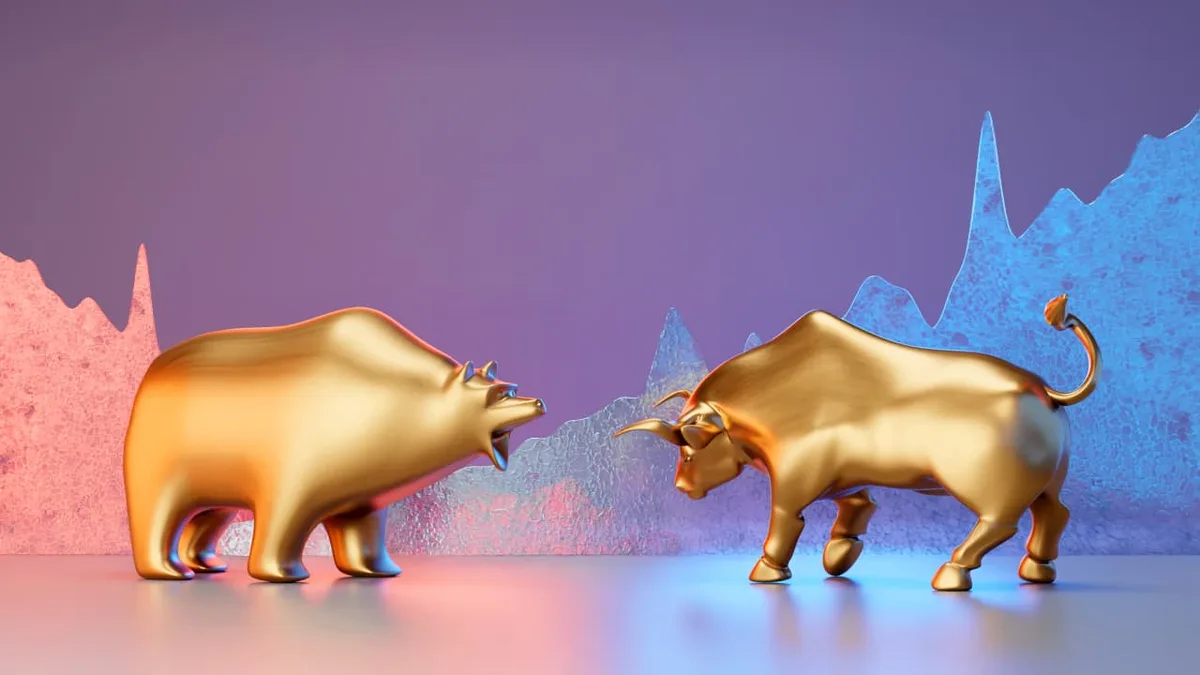
Three years after artificial intelligence emerged as Wall Street's dominant investment theme, strategists and analysts remain deeply split on where the trade goes from here — and whether it ends in a crash or a continued climb. Despite the passage of time and billions of dollars pouring into AI-related stocks, there is no consensus on whether the rally constitutes a speculative bubble or a durable structural shift in the economy.
The bull case rests on the argument that AI represents a once-in-a-generation technological transformation, one that will reshape corporate productivity, open new revenue streams and justify elevated valuations across the sector. Believers point to sustained capital expenditure commitments from major technology firms as evidence that the underlying demand is real and expanding, not merely hype-driven.
Read more Treasury Yields Tick Up as Middle East Tensions Rattle Markets →
Bears counter that the market has raced far ahead of actual monetization, with many companies spending aggressively on AI infrastructure without yet demonstrating the earnings power needed to support their stock prices. Skeptics warn that any sign of slowing enterprise adoption or a disappointing earnings season from key AI players could trigger a rapid and painful reassessment across the broader market.
What makes the debate particularly difficult to resolve is the absence of a clear catalyst that would definitively prove either side right. Unlike prior tech cycles, where a single event or regulatory action clarified direction, the AI trade is diffuse — woven into semiconductors, cloud platforms, software and even consumer applications — making it harder to call a top or confirm a floor.
As investors weigh these competing narratives heading into the next earnings cycle, the uncertainty itself has become a defining market condition. Continue reading at MarketWatch.com