
Why Fed Chair Kevin Warsh's 2% Inflation Goal Faces a Debt Reality Check
Kevin Warsh pledges to hit 2% inflation, but soaring U.S. debt levels may make that target nearly impossible to sustain.
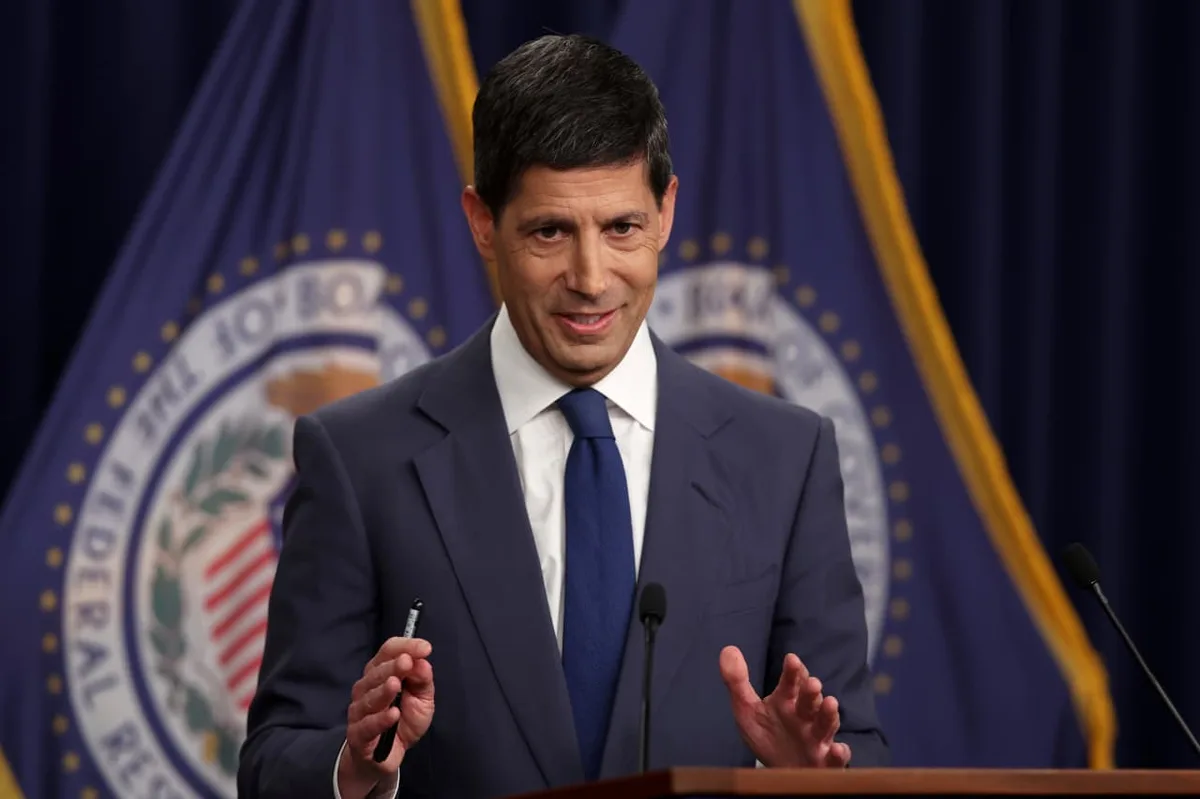
Federal Reserve Chair Kevin Warsh has publicly committed to returning inflation to the central bank's 2% target, but analysts warn that the staggering scale of U.S. government debt fundamentally undermines that promise. The argument is straightforward but uncomfortable: Washington may need higher inflation, not just stronger economic growth, to work its way out of its current fiscal hole.
The logic centers on how governments historically manage debt burdens. Inflation erodes the real value of outstanding obligations, effectively allowing the government to repay creditors in dollars that are worth less than when the money was borrowed. With U.S. debt at historically elevated levels, some economists argue that a sustained period of above-target inflation would serve as a silent mechanism for fiscal relief — whether policymakers admit it or not.
Read more Trump Confirms Recent Call With Fed Chair Warsh, Denies Routine Contact →
That creates a structural tension at the heart of U.S. monetary policy. A Fed chair can pledge price stability, but if the Treasury's borrowing needs are large enough, market pressures and political realities can gradually erode the central bank's operational independence. Warsh would not be the first Fed chief to face that pressure, and the historical record suggests it rarely ends cleanly.
For everyday Americans, the stakes are high. If the Fed cannot credibly hold inflation at 2% because fiscal dynamics are working against it, the result could be persistently elevated prices that chip away at household purchasing power for years. Savers, retirees on fixed incomes, and wage earners who lack pricing power would bear the heaviest costs of any prolonged inflation overshoot driven by debt dynamics rather than demand.
The debate underscores a broader question about who ultimately controls the inflation narrative in a high-debt environment — the central bank or the bond market. Continue reading at MarketWatch.com.