Why Wall Street's Buy-the-Dip Obsession Should Worry Investors
Buying the dip has become Wall Street's consensus trade — and that crowding is precisely what makes it dangerous for long-term returns.
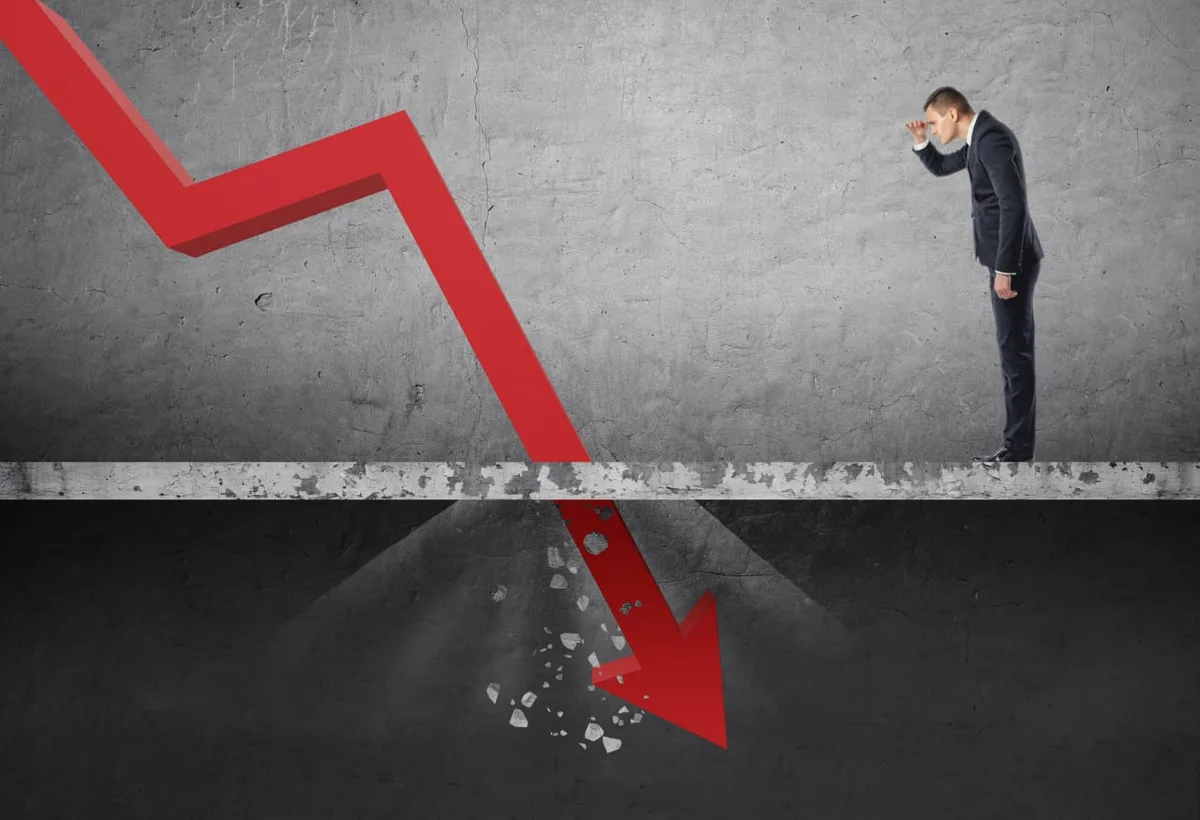
Wall Street has reached a rare moment of near-total agreement: buy every market dip, and profits will follow. The strategy has become so widely embraced across institutional desks, retail platforms, and financial media that it now functions less like a tactical edge and more like a reflexive habit — and that near-universal buy-in is raising red flags among contrarian analysts.
The appeal is understandable. Over the past decade-plus of Federal Reserve-supported markets, investors who stepped in during selloffs were repeatedly rewarded. Each correction became a buying opportunity validated by a swift rebound, reinforcing the behavior until it hardened into dogma. What feels like free money, however, carries a hidden cost that only emerges over longer time horizons.
Read more Cantor Equity Partners Delays Shareholder Vote to July 2 →
According to MarketWatch, the buy-the-dip strategy actually lags the broader stock market over the long term. When a tactic becomes the default move for virtually every participant — retail traders, hedge funds, and algorithmic systems alike — the edge it once offered evaporates. Markets are efficient enough that crowded trades tend to self-correct, often violently and without warning, leaving late adopters exposed at exactly the wrong moment.
The deeper danger is psychological and structural. Investors conditioned to treat every decline as an automatic entry point may be poorly positioned for a prolonged downturn where dips do not bounce back on schedule. Consensus thinking has a long history of setting the stage for the next major market dislocation, precisely because it leaves no one on the other side of the trade to cushion the fall.
For individual investors, the warning is not to abandon equities but to interrogate the assumptions baked into any strategy that feels universally obvious. Continue reading at MarketWatch.com