
World Sailing Measures Olympic Gear's Environmental Footprint
World Sailing has conducted its first-ever environmental impact assessment of Olympic sailing equipment, marking a milestone for the sport.
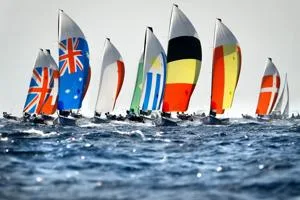
World Sailing has launched a groundbreaking effort to quantify the environmental footprint of the equipment used in Olympic competition, marking the first time the sport's governing body has undertaken such a formal assessment. The initiative signals a growing awareness within elite sailing circles that the gear powering the sport carries ecological consequences worth measuring and, ultimately, reducing.
The assessment focuses on the Olympic-class equipment that athletes rely on during the Games, examining how materials, manufacturing, and lifecycle factors contribute to the sport's overall environmental toll. By establishing a baseline measurement, World Sailing positions itself to set reduction targets and hold equipment suppliers and federations accountable in future competition cycles.
Read more PlayStation Controllers and Stick Drift: Why It Happens So Fast →
The move aligns sailing with a broader push across Olympic sports to confront sustainability challenges head-on. Governing bodies in other disciplines have faced mounting pressure from athletes, sponsors, and international bodies like the International Olympic Committee to demonstrate credible environmental commitments rather than symbolic gestures.
Analysts note that measuring impact is only the opening step — the harder work lies in translating data into enforceable equipment standards or procurement policies that genuinely lower emissions and waste without disadvantaging competitive athletes. Whether World Sailing will publish detailed methodology and findings publicly remains a key question for transparency advocates watching this process unfold.
Continue reading at dailyrecordnews for the full report by Jennifer McDermott.