
Your Car May Soon Make Purchases on Your Behalf
Connected vehicles are moving toward autonomous spending capabilities, raising questions about consumer control and financial security.
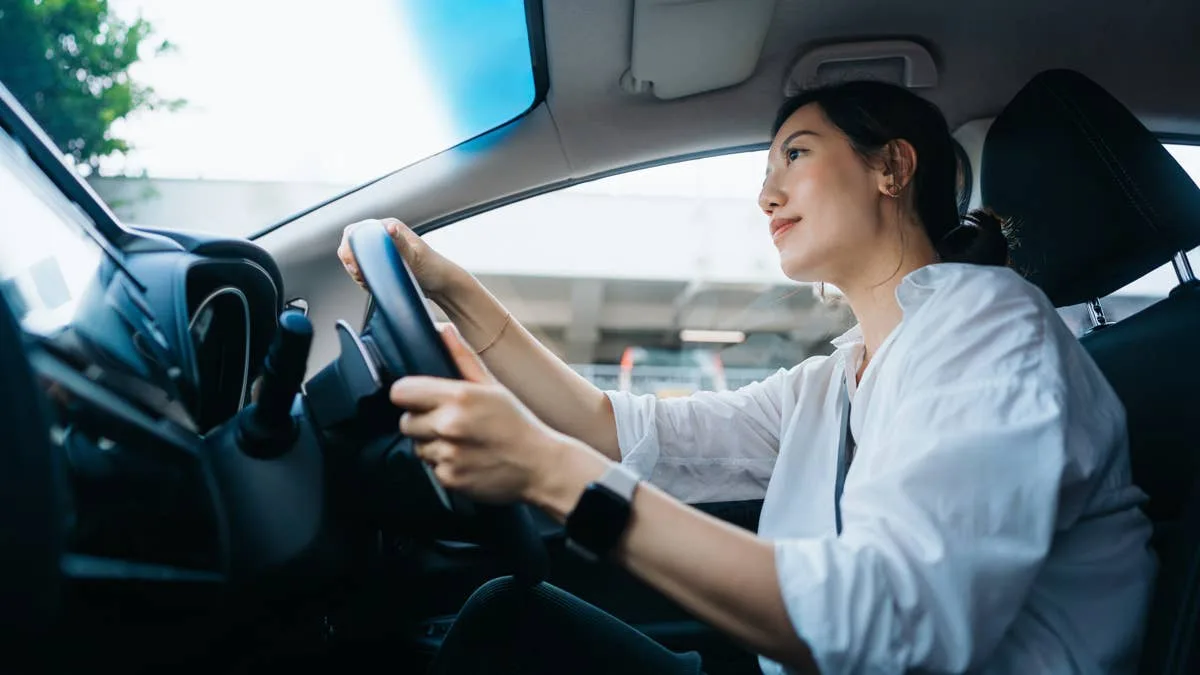
A new frontier in automotive technology is quietly reshaping how Americans interact with their finances: cars that can spend money autonomously on behalf of their owners. As connected vehicle platforms grow more sophisticated, automakers and fintech companies are racing to embed payment systems directly into dashboards and onboard software, potentially allowing vehicles to pay for fuel, tolls, parking, and even drive-through orders without the driver lifting a finger.
The concept builds on years of incremental progress in vehicle connectivity. Modern cars already communicate with smartphones, navigation services, and cloud platforms in real time. The logical next step, according to industry observers, is closing the loop on commerce — turning the car itself into a financial agent capable of executing transactions tied to the driver's accounts or digital wallets.
Read more Leercon Mini Massage Gun Drops to $11 With Free Shipping →
For consumers, the appeal is obvious: seamless, frictionless travel where routine payments simply happen. But the shift also introduces significant questions around authorization, security, and oversight. Who controls what the car buys? How are spending limits set? And what happens when a system error or a bad actor triggers an unauthorized charge? These are concerns that regulators and consumer advocates will likely need to address as the technology matures.
The broader economic implications are considerable. If tens of millions of vehicles become active participants in daily commerce, the ripple effects on payment networks, insurance models, and retail strategy could be substantial. Automakers that successfully monetize in-vehicle transactions stand to capture a new and recurring revenue stream well beyond the initial vehicle sale.
This emerging shift underscores how deeply technology is blurring the line between transportation and personal finance. Continue reading at thestreet for the full analysis and expert perspective on what autonomous vehicle spending means for your wallet.