Bank of Italy Study Questions Stablecoin Cost Savings in Remittances
New Bank of Italy research challenges the assumption that stablecoins offer cheaper cross-border money transfers than traditional methods.

A research paper from the Bank of Italy is pushing back on one of the most widely cited arguments for stablecoin adoption — that digital dollar-pegged tokens dramatically reduce the cost of sending money across borders. The study suggests that when all fees and conversion costs are properly accounted for, stablecoins do not consistently deliver the savings their proponents claim, according to reporting by CoinDesk.
Remittance costs have long been a flashpoint in the debate over financial inclusion. Traditional wire transfers and money-transfer operators like Western Union routinely charge fees that consumer advocates and crypto boosters alike have criticized as prohibitively high for low-income migrant workers. Stablecoin advocates have positioned tokens such as USDC and USDT as a disruptive alternative that could slash those fees and bank the unbanked.
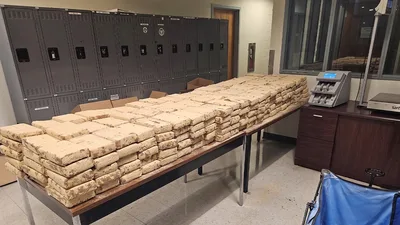
Read more Agents Seize $20M in Cocaine Hidden in California Border Truck →
The Bank of Italy's findings complicate that narrative. While stablecoins can sidestep some legacy banking infrastructure costs, the research indicates that on- and off-ramp fees — the charges users incur when converting fiat currency into a stablecoin and then back again at the destination — can erode or entirely eliminate any cost advantage over conventional remittance channels.
The implications are significant for regulators and fintech firms alike. As the European Union moves forward with MiCA stablecoin rules and the United States debates its own digital-asset framework, policymakers will be weighing whether stablecoins genuinely serve underbanked populations or primarily benefit crypto-native users who already operate within the digital-asset ecosystem. The Italian central bank's skepticism adds an influential institutional voice to what has largely been an industry-driven conversation.
Continue reading at CoinDesk.