Iran's Fractured Power Structure Complicates Ceasefire Efforts
Competing Iranian power centers—from the Supreme Leader to the Revolutionary Guards—make enforcing any truce with the U.S. deeply uncertain.
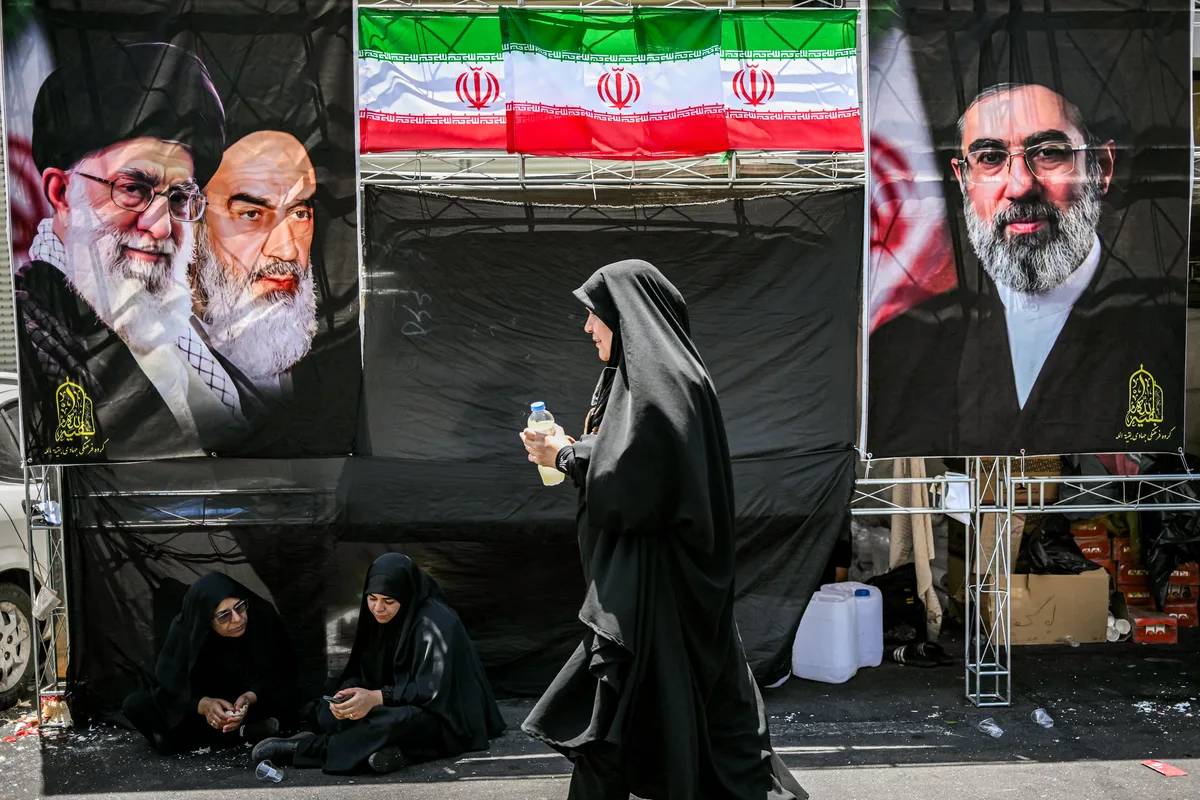
Iran's layered and often competing power centers present a formidable obstacle to ending hostilities with the United States, as no single authority can credibly guarantee compliance with a ceasefire agreement. The country's governing architecture is deliberately diffuse, distributing power across religious, military, and political institutions in ways that complicate any unified negotiating posture.
At the apex sits Supreme Leader Ali Khamenei, whose approval is constitutionally required for major foreign policy decisions. Yet his directives do not automatically translate into coordinated action on the ground, particularly when the Islamic Revolutionary Guard Corps—a parallel military force with its own chain of command, economic interests, and ideological commitments—retains significant operational autonomy.
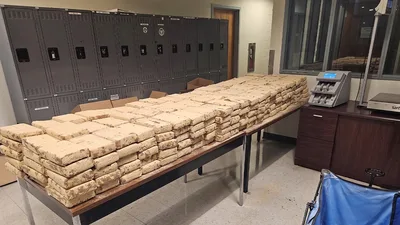
Read more Agents Seize $20M in Cocaine Hidden in California Border Truck →
The Revolutionary Guards have historically acted as both enforcers of the Islamic Republic's revolutionary ideology and as independent power brokers capable of shaping events in ways that can undercut diplomatic overtures. Their influence extends well beyond Iran's borders through a network of allied militias and proxy forces, adding further layers of complexity to any enforcement mechanism a ceasefire would require.
Analysts note that even if Iranian civilian officials or diplomats signal a willingness to de-escalate, hardline factions within the security apparatus possess both the motivation and the means to undermine such agreements, intentionally or otherwise. This structural reality means that any deal would need buy-in from multiple overlapping institutions simultaneously—an extraordinarily difficult diplomatic feat.
The challenge is not merely political but structural: peace agreements typically assume a counterpart that can speak for and bind an entire state. Iran's overlapping power centers make that assumption deeply problematic for U.S. negotiators. Continue reading at US Top News and Analysis.