
Fed Rate Hike: How It Affects Your Loans and Savings
The Federal Reserve's latest quarter-point rate increase will ripple through mortgages, credit cards, auto loans, and deposit accounts.
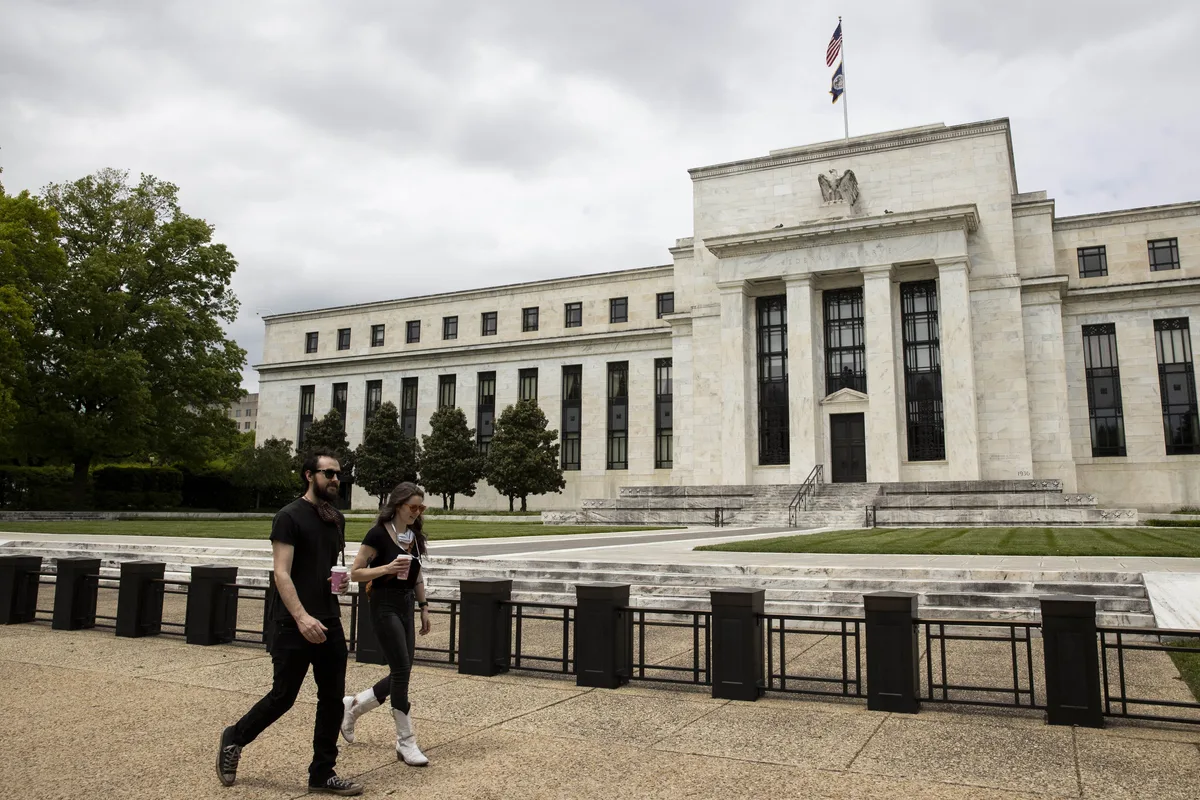
The Federal Reserve raised its benchmark interest rate by a quarter of a percentage point, a move that will directly affect how much Americans pay to borrow money and how much they can earn on their savings. The decision sends fresh cost pressures across virtually every major consumer financial product, from the credit card in your wallet to the mortgage on your home.
For credit card holders, the impact is nearly immediate. Most credit cards carry variable rates tied directly to the Fed's benchmark, meaning balances carried month-to-month will become more expensive to finance within one or two billing cycles. Consumers already managing high-interest debt will feel the squeeze soonest.
Read more Leercon Mini Massage Gun Drops to $11 With Free Shipping →
Mortgage borrowers face a more nuanced picture. Fixed-rate home loans are not directly pegged to the Fed's rate, but they tend to rise in anticipation of Fed action, so buyers shopping for a new home may already be absorbing some of this increase. Existing homeowners with adjustable-rate mortgages, however, can expect their monthly payments to climb as their rates reset.
Auto loan rates, which are also sensitive to broader interest rate movements, are likely to inch higher, adding to the affordability pressure already weighing on car buyers in a market still navigating elevated vehicle prices. On the brighter side, savers stand to benefit modestly — deposit rates at banks and credit unions typically move upward after Fed hikes, though institutions have historically been slow to pass the full increase along to customers.
The cumulative effect of the Fed's rate-hiking cycle means consumers should review their debt obligations and savings strategies carefully, prioritizing paying down variable-rate debt while shopping around for higher-yield deposit accounts. Continue reading at US Top News and Analysis.