
How Taylor Farms Grew Central to the US Food Supply Chain
Taylor Farms and similar suppliers have expanded so deeply into US food distribution that outbreaks like cyclosporiasis are increasingly hard to contain.
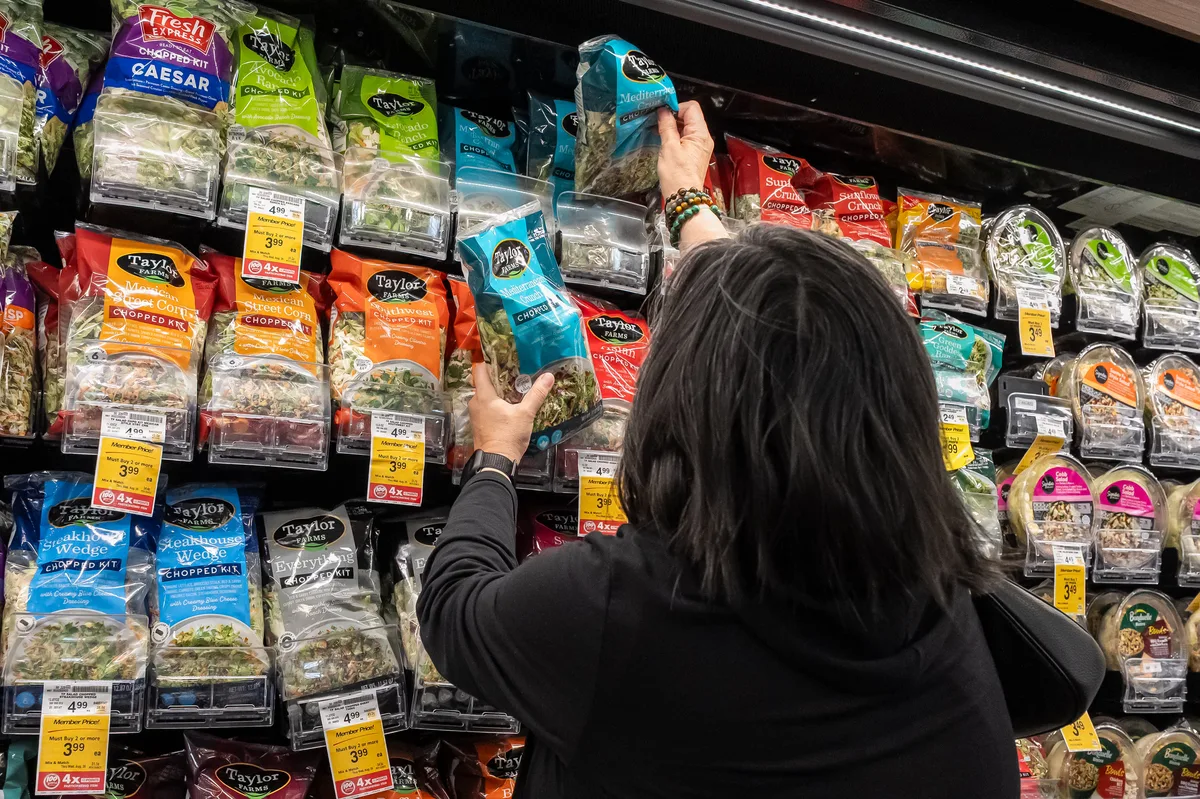
Taylor Farms has quietly become one of the most critical links in America's food supply, and its outsized role is now drawing scrutiny as foodborne illness outbreaks grow harder to trace and contain. The company, alongside a handful of large-scale produce suppliers, has woven itself so tightly into grocery chains, fast-food networks, and institutional kitchens that a single contamination event can ripple across dozens of products and millions of consumers simultaneously.
The consolidation of fresh produce suppliers like Taylor Farms reflects a decades-long shift in how Americans source their food. Efficiency and scale drove retailers and restaurant chains to rely on centralized processing hubs rather than dozens of smaller regional farms. That model cuts costs and ensures consistency — but it also concentrates risk in ways that smaller, distributed supply networks did not.
Read more FTC Probes YouTube Over Suspended Account Policies →
Cyclosporiasis, a parasitic intestinal illness linked to fresh produce, illustrates the complexity this consolidation creates. When a pathogen enters a high-volume processing facility, the contaminated product can reach consumers in multiple states before health officials even identify the source. Investigators must untangle a web of shared suppliers, co-mingled produce, and overlapping distribution routes — a challenge that grows proportionally with a supplier's market footprint.
Public health experts warn that as suppliers like Taylor Farms become more integral to national food infrastructure, the regulatory and traceability frameworks governing them must keep pace. The current system, critics argue, was not designed with today's scale of consolidation in mind, leaving meaningful gaps between farm-level inspection and the grocery shelf.
The broader takeaway is that America's appetite for convenient, affordable fresh produce has a structural cost — one measured not just in dollars but in outbreak response times and public health exposure. Continue reading at US Top News and Analysis.