
US Navy Blockade Cuts Iran Oil Exports in Economic Pressure Shift
After airstrikes failed to dislodge Iran from Hormuz, Washington pivots to a naval blockade targeting Tehran's oil revenues.
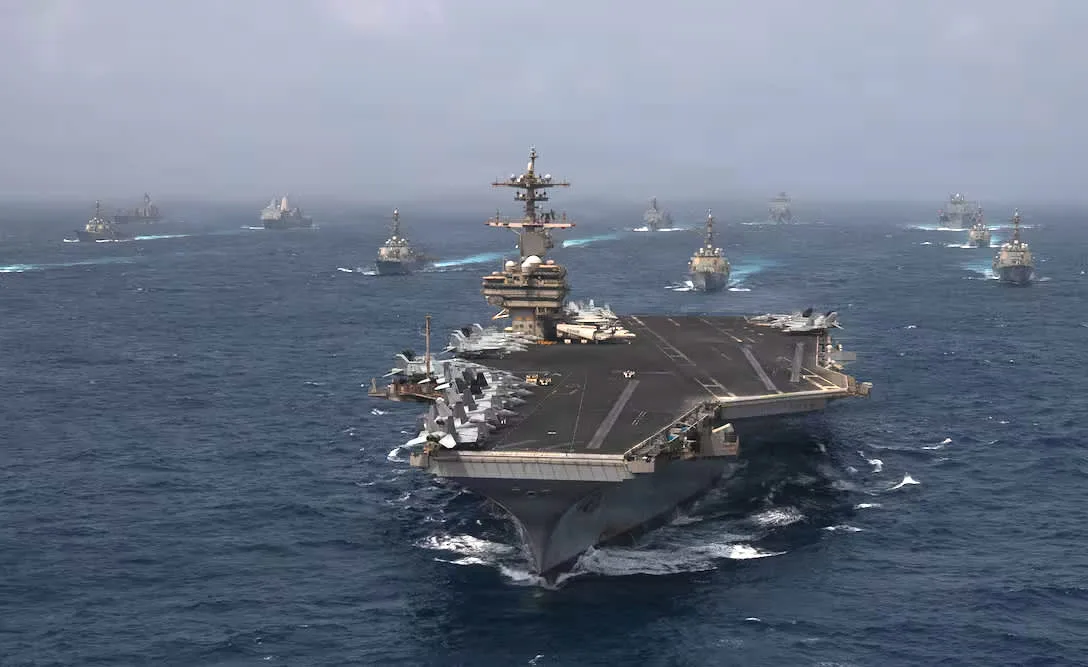
The United States has launched an aggressive economic warfare campaign against Iran, deploying a naval blockade that is sharply curtailing Tehran's oil exports, after a series of airstrikes carried out across July failed to compel Iran to relinquish its claim over the Strait of Hormuz. The shift marks a significant strategic pivot by the Trump administration, moving from direct military strikes to sustained economic pressure designed to strangle Iran's primary revenue source.
The blockade represents a dramatic escalation in the standoff over the Strait of Hormuz, one of the world's most critical maritime chokepoints through which a substantial share of global oil supplies flows daily. By targeting Iran's oil export capacity, Washington is betting that economic pain can succeed where more than a dozen waves of airstrikes could not — forcing Tehran to the negotiating table or compelling a retreat from its Hormuz position.
Read more FTC Probes YouTube Over Suspended Account Policies →
The strategy underscores the Trump administration's willingness to sustain a prolonged confrontation with Iran, employing the Navy as an instrument of economic coercion rather than purely kinetic force. Analysts observing the campaign will be watching closely whether cutting off oil revenues weakens Tehran's resolve or, conversely, hardens its resistance and triggers broader regional consequences that could further destabilize energy markets worldwide.
Continue reading at US Top News and Analysis.