
Oil Prices Climb on Iran's Strait of Hormuz Restriction Plan
Iran's draft plan to restrict the Strait of Hormuz has rattled energy markets, pushing oil prices higher on renewed supply disruption fears.
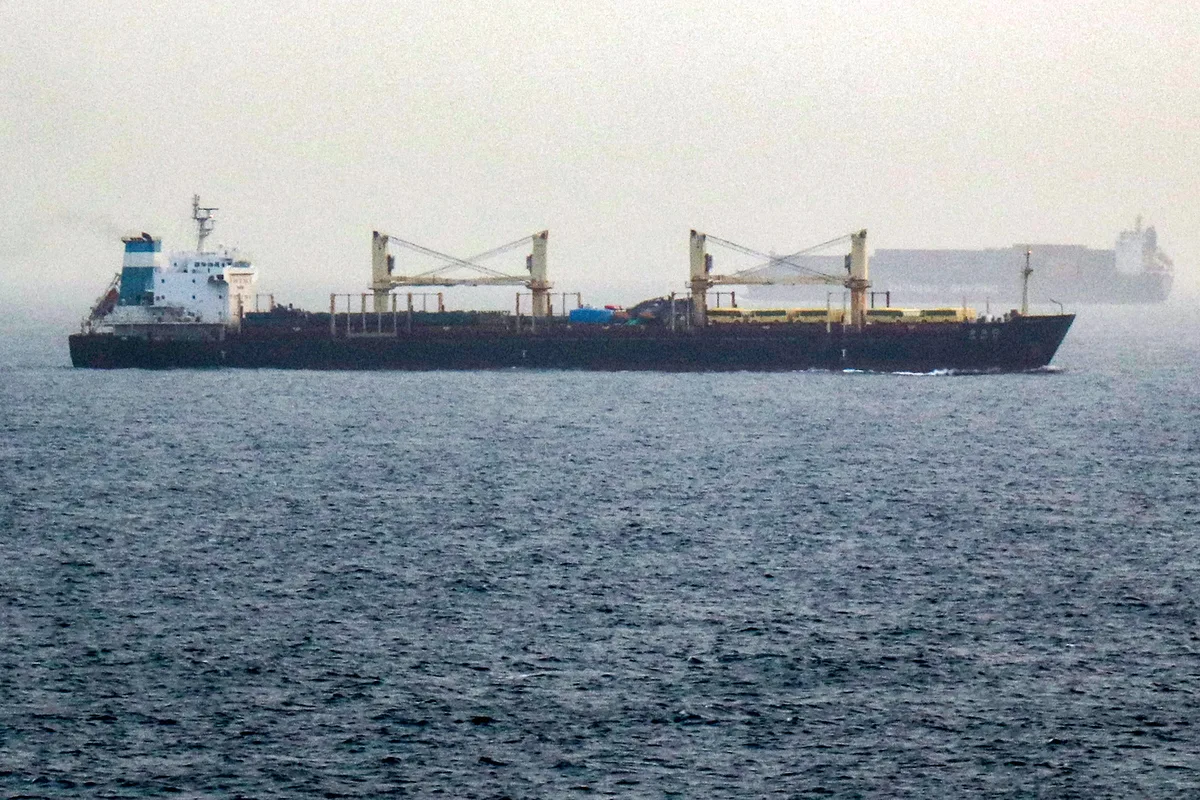
Oil prices surged Thursday after reports emerged that Iran drafted a restrictive plan targeting the Strait of Hormuz, one of the world's most critical energy chokepoints, reigniting fears of a significant disruption to global crude supply.
The Strait of Hormuz is the narrow waterway between Iran and Oman through which roughly one-fifth of the world's oil supply transits daily, making any threat to its free passage an immediate catalyst for energy market volatility. Iran's reported draft plan raised alarms among traders and analysts who closely monitor geopolitical risk in the Persian Gulf region.
Read more Broadcom Upgraded to Buy on AI Compute and Supply-Chain Strength →
The news triggered a swift upward move in crude benchmarks as market participants priced in the possibility that tighter restrictions on the strait could choke off supply flows to major importers across Asia, Europe, and beyond. Supply disruption fears have historically been enough to send oil prices sharply higher even before any physical blockage occurs.
This latest development adds a new layer of tension to an already complex geopolitical environment in the Middle East, where energy infrastructure and shipping lanes remain perpetually exposed to escalating regional disputes. Analysts will be watching closely for any diplomatic response from major oil-consuming nations or shipping alliances.
Continue reading at US Top News and Analysis