Rosh Hashanah Stock Adage Returns: How to Play the Trade
The seasonal Wall Street saying 'sell Rosh Hashanah, buy Yom Kippur' is back in focus. Here's what investors should know.
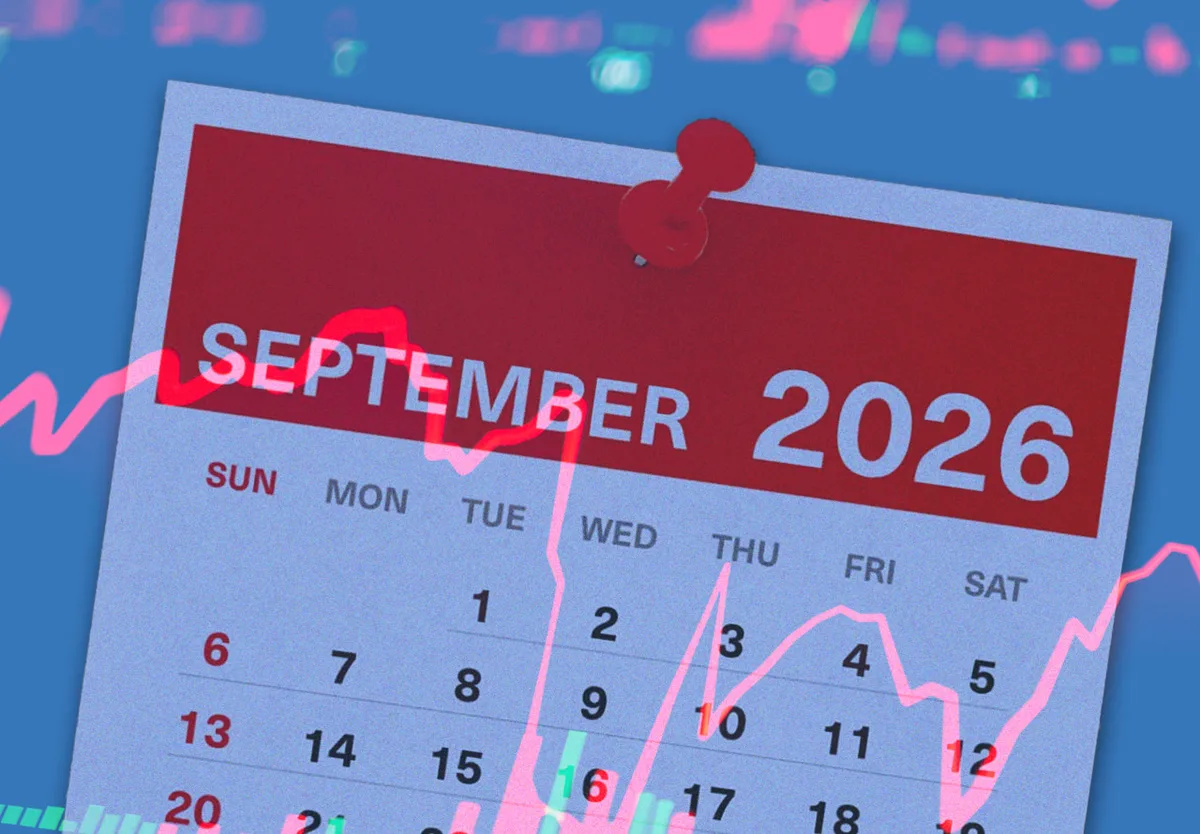
A time-honored Wall Street seasonal strategy is drawing fresh attention this month as Jewish High Holidays arrive on the calendar. The adage — "sell Rosh Hashanah, buy Yom Kippur" — suggests investors should lighten equity exposure at the start of the holiday period and re-enter the market roughly ten days later when Yom Kippur concludes.
The trading pattern is rooted in the idea that markets tend to soften in the window between the two holidays, creating a short-term opportunity for nimble traders. While the saying has circulated among market participants for decades, its reliability varies year to year depending on broader macroeconomic conditions and investor sentiment at the time.
Read more Early-Stage AI Faces Valuation Shakeout as VC Funding Tightens →
For investors considering whether to act on the adage in the current environment, timing is critical. Rosh Hashanah marks the opening of the trade window, while Yom Kippur — which falls ten days later — signals the traditional re-entry point. Those who follow the strategy typically reduce risk exposure near the holiday's start and look to buy back positions at potentially lower prices before or after the Day of Atonement.
Seasonal trading rules of thumb like this one are generally viewed as supplementary signals rather than standalone strategies. Market analysts often caution that while historical patterns can inform decision-making, they should be weighed alongside current technical and fundamental indicators before any portfolio moves are made.
Continue reading at MarketWatch.com