
Saudi Arabia's East-West Pipeline: Why It Matters for Oil Markets
Saudi Arabia's East-West pipeline is a critical artery for global oil supply, offering an alternative route that bypasses key maritime chokepoints.
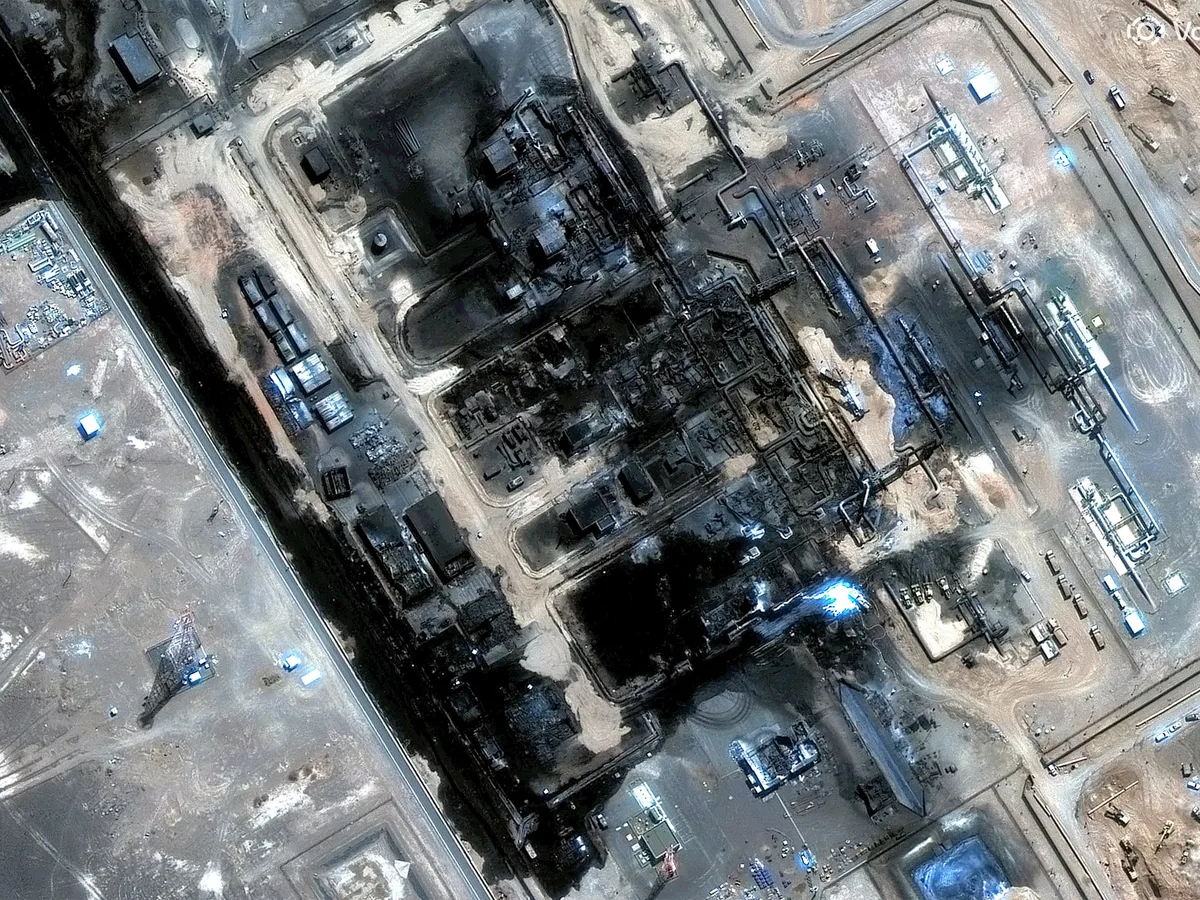
Saudi Arabia's East-West crude oil pipeline, stretching across the Arabian Peninsula, stands as one of the most strategically significant energy infrastructure assets in the world, giving the kingdom the ability to move oil from its eastern oil fields to Red Sea export terminals without passing through the Strait of Hormuz — one of the most vulnerable maritime chokepoints on the planet.
The pipeline's importance comes sharply into focus whenever tensions rise in the Persian Gulf. Because roughly 20 percent of the world's traded oil flows through the Strait of Hormuz, any disruption there — whether from conflict, blockade, or accident — could send global energy prices surging. The East-West pipeline offers Saudi Aramco and Riyadh a critical bypass valve, allowing exports to continue even if Hormuz becomes impassable.
Read more Fed Decision Could Trigger Unusual Stock Market Move This Week →
For global markets, the pipeline's operational status carries outsized significance. Traders and energy analysts watch it closely as a barometer of Saudi Arabia's ability to maintain output commitments under pressure. Any news of damage, sabotage, or reduced capacity on the line has historically triggered immediate price reactions in Brent crude futures.
The geopolitical dimension extends beyond Saudi borders. Nations in Europe and Asia that depend heavily on Gulf crude imports factor the pipeline's availability into their own energy security calculations. Its continued operation reinforces Saudi Arabia's role not just as the world's swing producer, but as a stabilizing force in global energy logistics — a role Riyadh has long cultivated as both economic leverage and diplomatic currency.
Continue reading at Al Jazeera for the full analysis of this critical infrastructure asset.