
Strategist Kevin Mahn Views S&P 500 Dips as Buy Opportunities
Investment strategist Kevin Mahn urges investors to treat S&P 500 pullbacks as entry points rather than exit signals.
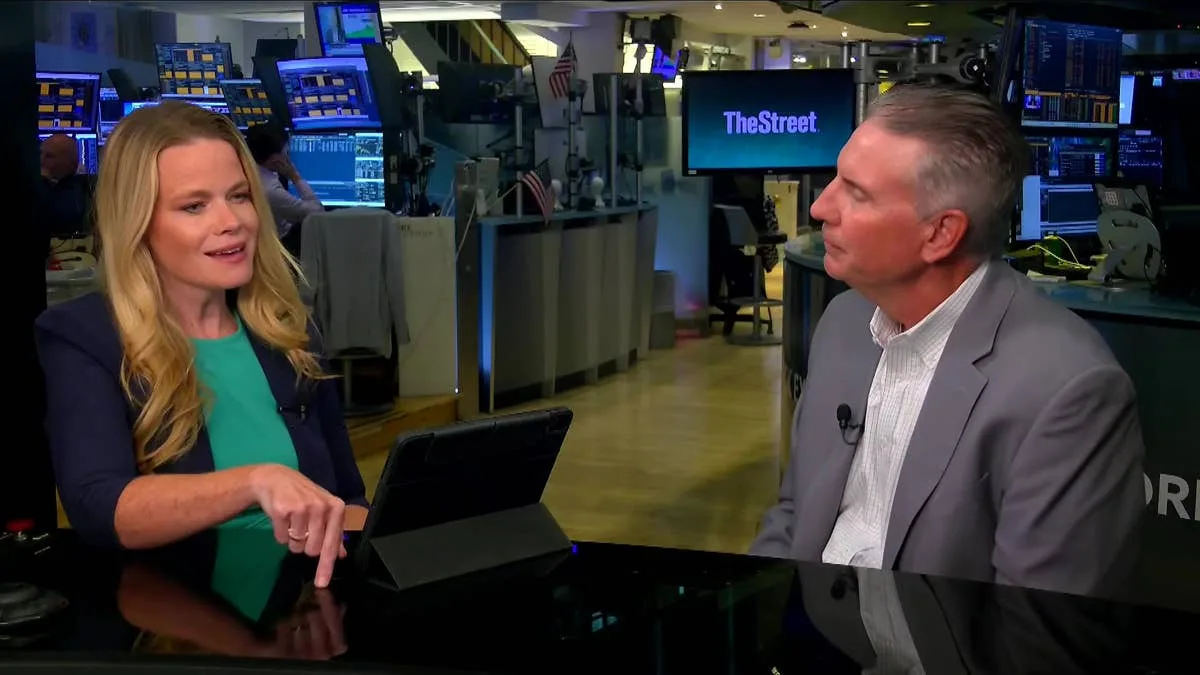
Investment strategist Kevin Mahn is advising investors to resist the impulse to flee during S&P 500 pullbacks, framing market dips as opportunities to maintain or build equity positions rather than reasons to retreat to the sidelines.
Mahn's perspective aligns with a broader school of thought among long-term market participants who argue that volatility, while unsettling, is a normal feature of equity markets and that reactive selling often locks in losses that patient investors would otherwise recover.
Read more Saudi Arabia's East-West Pipeline: Why It Matters for Oil Markets →
The S&P 500 has historically rewarded investors who stayed the course through periods of short-term turbulence, a dynamic that underpins Mahn's call for disciplined, buy-the-dip positioning rather than market timing driven by fear.
For retail investors navigating an environment marked by macroeconomic uncertainty, shifting Federal Reserve policy expectations, and geopolitical headwinds, Mahn's framework offers a straightforward directive: treat corrections as a feature, not a flaw, of long-term wealth building.
Continue reading at thestreet for the full analysis and Mahn's specific market outlook.