Why Warren Buffett Keeps Recommending the Same ETF
Buffett has long pointed individual investors toward one simple ETF strategy. Here's the reasoning behind his consistent advice.
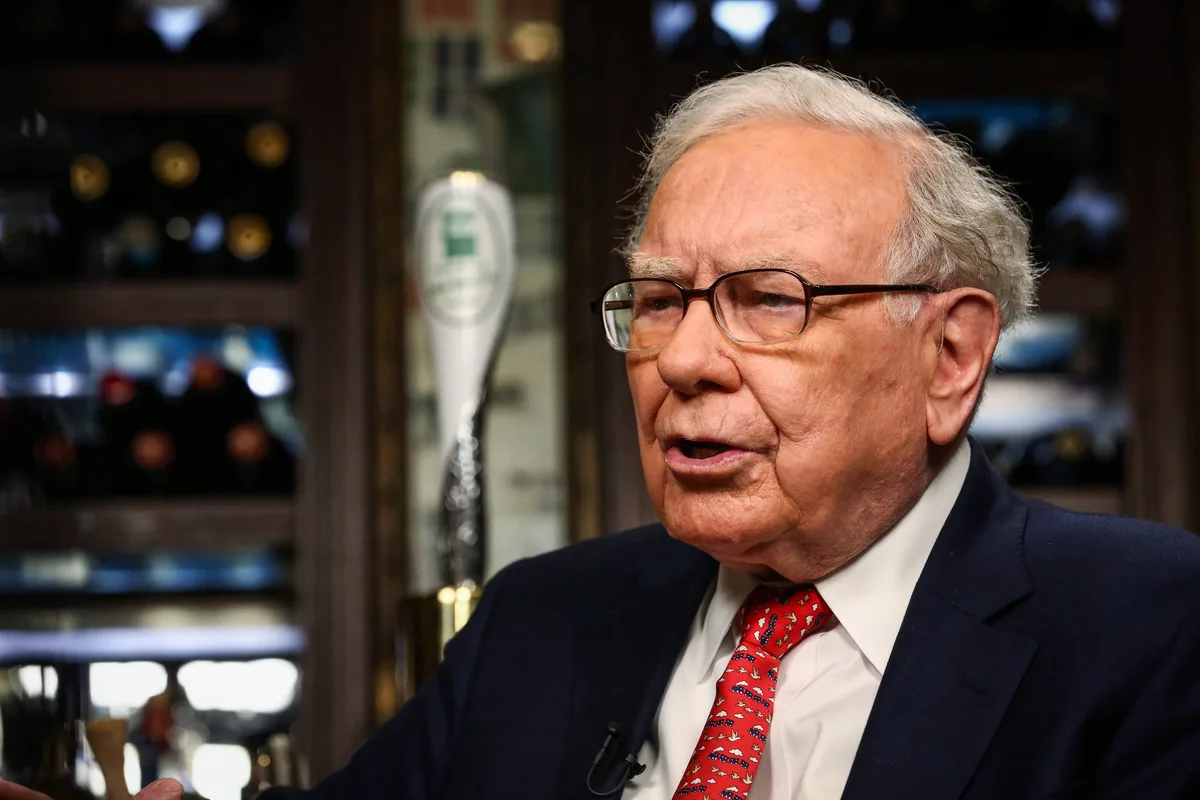
Warren Buffett, the billionaire chairman of Berkshire Hathaway and one of the most closely watched investors in the world, has repeatedly directed ordinary Americans toward a single type of exchange-traded fund — the low-cost S&P 500 index ETF — arguing it represents the most reliable long-term wealth-building tool available to most people.
Buffett's endorsement is rooted in decades of observed market behavior. He has argued publicly and in his annual shareholder letters that the vast majority of professional fund managers fail to beat the S&P 500 over time after fees, making active management a losing proposition for most retail investors. A passive index fund, by contrast, captures broad market gains at minimal cost.
Read more Fed Rate Hike: How It Affects Your Loans and Savings →
The logic extends beyond just performance. Buffett has emphasized simplicity and discipline as core principles for non-professional investors, warning against the temptation to time the market or chase individual stocks. By holding a diversified basket of America's largest companies through a low-fee vehicle, investors remove emotion and excessive cost from the equation — two of the biggest destroyers of long-term returns.
The advice carries particular weight given Buffett's own track record. He famously won a decade-long bet against a hedge fund manager by wagering that an S&P 500 index fund would outperform a curated portfolio of hedge funds — and he was right by a wide margin. That real-world demonstration reinforced what he had been saying for years in theory.
For investors wondering whether Buffett's guidance still applies in today's volatile, AI-driven market environment, his core argument has remained unchanged: consistency, low fees, and faith in American economic growth over the long haul outperform nearly every alternative strategy available to the average person. Continue reading at Yahoo Finance.